Arizona Chambers Adopt a More Complete Transportation Vision
Arizona Chambers Adopt a More Complete Transportation Vision
Arizona Chambers Adopt a More Complete Transportation Vision
Transportation infrastructure is often discussed in terms of roads, highways, and traffic congestion. Those investments are important, but they are only part of the picture.
Arizona's economy depends on a transportation network that moves both people and products efficiently. Businesses rely on highways, freight rail, airports, logistics centers, and distribution networks working together to support commerce, attract investment, and create jobs.
Recognizing this reality, the Arizona Chamber Executives (ACE), a statewide organization comprised of chamber leaders from communities across Arizona, recently adopted an update to its legislative agenda that explicitly recognizes both rail and aviation infrastructure as important components of Arizona's transportation system.
While the change may seem simple on the surface, it represents an important evolution in how Arizona's business community views transportation, economic development, and long-term competitiveness.
What Is ACE?
The Arizona Chamber Executives organization brings together chamber leaders from across the state to collaborate on issues affecting Arizona businesses and communities. Together, member chambers develop and adopt a statewide legislative agenda that helps guide advocacy efforts on issues such as economic growth, workforce development, infrastructure, education, and business competitiveness.
Because the agenda reflects input from chambers serving communities throughout Arizona, it represents a broad business perspective on issues that impact the state's future.
How This Change Came About
Over the past year, transportation infrastructure became a major topic of discussion among chambers across Arizona.
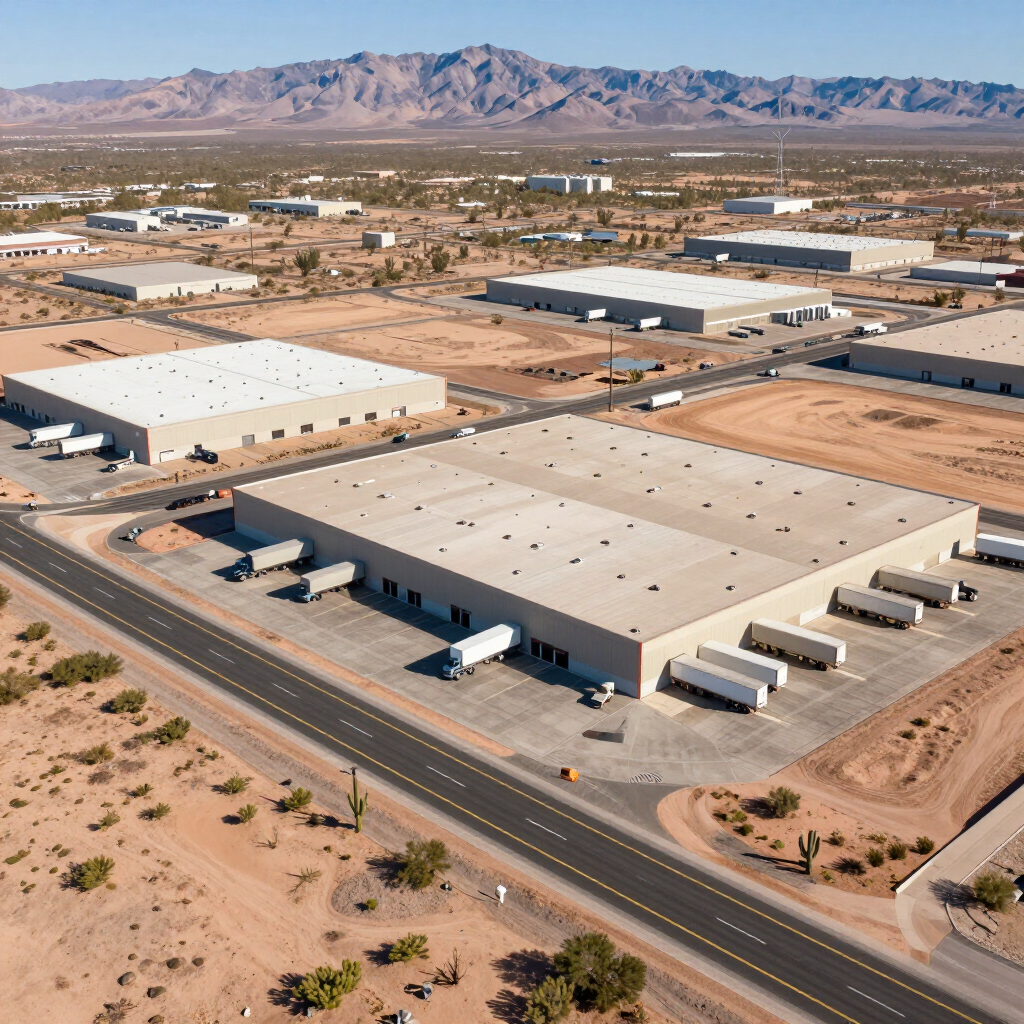
One of the most significant conversations centered around freight rail and the proposed BNSF Logistics Park Phoenix project in the West Valley.
As chambers worked to better understand the role of freight rail in economic development, supply chain efficiency, and future growth, support for the project continued to expand. Ultimately, 18 chambers of commerce from communities across Arizona signed a joint letter supporting the project and recognizing the importance of rail infrastructure to Arizona's economy.
The Northwest Valley Chamber helped convene those discussions and coordinated the statewide chamber coalition effort, creating an opportunity for business leaders across Arizona to better understand the role freight rail plays in economic development, supply chains, and long-term competitiveness.
The process was educational. Through conversations with business leaders, transportation experts, logistics professionals, and economic development stakeholders, it became increasingly clear that freight rail plays a much larger role in Arizona's economy than many people realize.
Those discussions also revealed something else. While reviewing the ACE legislative agenda, it became apparent that transportation infrastructure was largely viewed through the lens of roads and highways. Although roadway investments were appropriately recognized, rail and aviation infrastructure were not specifically identified despite their growing importance to Arizona's economic future.
Recognizing that gap, the Northwest Valley Chamber recommended expanding the transportation language to explicitly include rail and aviation infrastructure.
Following review through the ACE legislative process, the recommendation was approved and adopted.
Why This Matters
Some people may ask:
"So what?"
The answer is straightforward.
- Transportation is about far more than moving people from one place to another.
- Transportation is how products reach stores.
- Transportation is how manufacturers receive materials.
- Transportation is how businesses connect with customers.
- Transportation is how communities compete for investment and jobs.
A modern economy depends on multiple transportation systems working together.
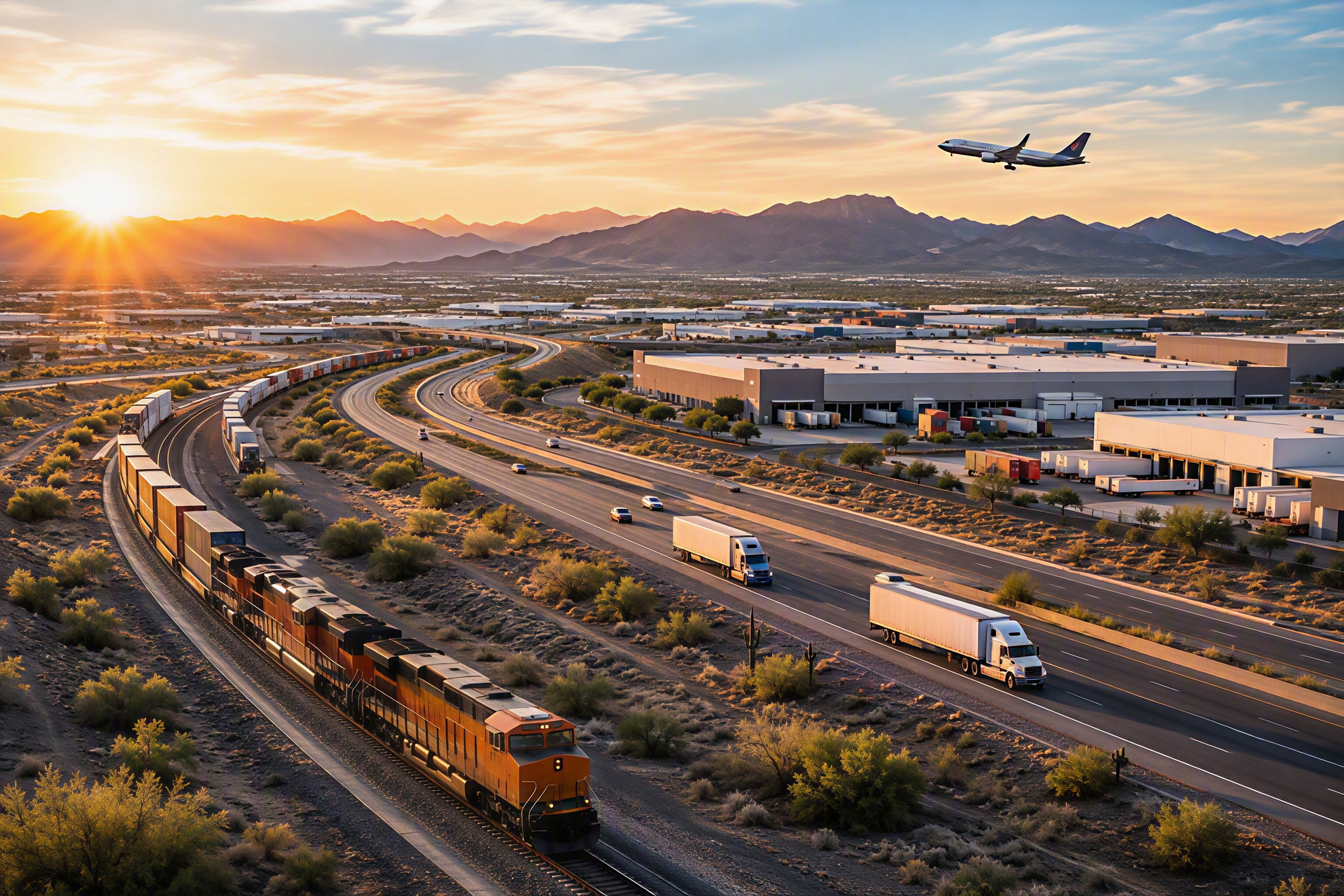
A product may arrive in Arizona by rail, move through a logistics facility, and then be delivered by truck. High-value products may move through airports. Manufacturers evaluate transportation access before deciding where to build new facilities. Distribution companies invest where infrastructure can support efficient movement of goods.
When discussions focus exclusively on highways and roads, important parts of the transportation network can be overlooked.
Rail infrastructure helps move large volumes of freight efficiently across long distances.
Aviation infrastructure connects Arizona businesses to national and international markets while supporting passenger travel, air cargo, tourism, aerospace, and advanced manufacturing.
All three transportation modes, roads, rail, and aviation, contribute to economic growth and competitiveness.
The updated ACE legislative agenda simply reflects that reality.
"The lesson wasn't about one project. The lesson was that Arizona's future depends on an integrated transportation system. Roads matter. Rail matters. Aviation matters. Together, they help connect businesses, workers, communities, and opportunity."
– Raoul Sada, President & CEO, Northwest Valley Chamber of Commerce
Not About One Project
This policy update should not be viewed as support for any single project.
Rather, it represents a broader recognition that Arizona's transportation future should consider all major forms of infrastructure that contribute to economic success.
- Roads remain critical.
- Rail remains critical.
- Aviation remains critical.
Each plays a different role, but all contribute to Arizona's ability to attract employers, support businesses, strengthen supply chains, and create opportunities for future generations.
As Arizona continues to grow, conversations about transportation and infrastructure will become increasingly important. A more comprehensive view of transportation will help ensure those discussions reflect how today's economy actually functions.
Looking Ahead
Strong communities require strong businesses. Strong businesses require strong infrastructure.
The recent adoption of rail and aviation infrastructure language within the Arizona Chamber Executives legislative agenda represents an important acknowledgment that Arizona's transportation network is larger and more interconnected than roads alone.
It is also an example of how dialogue, education, and collaboration can improve public policy. What began as discussions about freight rail and economic development ultimately led to a broader conversation about how Arizona defines transportation infrastructure and how the state can best position itself for future growth.
As Arizona continues to compete for jobs, investment, and economic opportunity, a transportation strategy that recognizes roads, rail, and aviation together will help create a stronger foundation for long-term prosperity.